
Examinations
Mold after a leak: what must a building expert link to the defect?
In a mold claim against a builder, a contractor or a property owner, the building expert has to connect three things: a defect, the water that came through it and the growth found in the rooms. Under Federal Rule of Evidence 702 the party offering the expert must show the court that each link rests on sufficient facts and a reliable method, and the committee note asks whether obvious alternative explanations were accounted for.
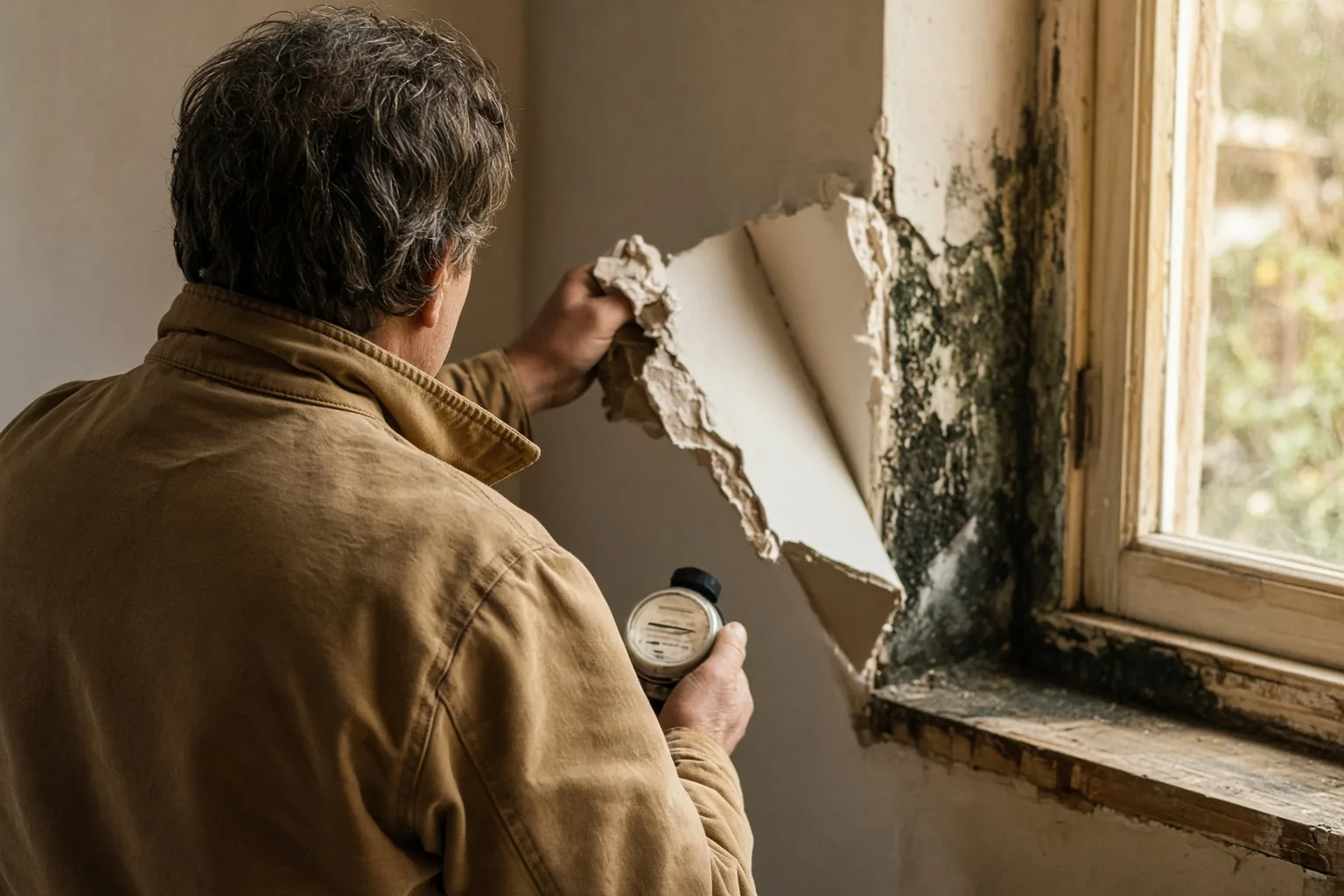
What must a building expert prove in a mold case?
Where the water came from, how it reached the area with growth, when it happened, and which defect or failure let it in. Whether the mold made anyone ill is a separate question that calls for a different expert.
A mold claim against a builder or a contractor is a construction defect claim with an extra step. The owner says that a window, a roof, a pipe or a wall assembly was defective, that water entered through it, and that the wet materials grew mold. Each link is a separate opinion, and under Rule 702(b) each must be "based on sufficient facts or data."
The first link is the source. Water found in a wall can come through the wall itself, from the roof above, from plumbing inside the cavity or from condensation, and the expert checks each of these before attributing the water to the wall.
The second link is the path. Water found in a wall cavity under a window may have come through the window frame, through the flashing around it or from the wall above. The expert's openings, photographs and moisture readings place the water at each point between the source and the growth.
The third link is time. Whether the water entered before or after a sale, the end of a builder's warranty or the start of a tenancy can decide who is liable, so the report states which data date the wetting: complaint records, repair history, the condition of the materials.
Which other explanations must the expert rule out?
The obvious ones. The 2000 committee note to Rule 702 asks whether the expert adequately accounted for obvious alternative explanations; for water in a building these include roofing, plumbing, condensation and open windows.
The 2000 committee note lists factors that courts apply beyond the Daubert questions. One of them is "whether the expert has adequately accounted for obvious alternative explanations," with a citation to Claar v. Burlington N.R.R., 29 F.3d 499 (9th Cir. 1994). Another asks whether the expert reached an unfounded conclusion by unjustified extrapolation from an accepted premise, citing General Electric Co. v. Joiner.
In a mold case the alternatives are other sources of moisture: the roofing, the plumbing, condensation and windows or doors left open. An opinion that a defective window caused the mold, written without checking the plumbing in the wall or the humidity in the room, leaves an obvious alternative unexamined.
The same note asks whether the expert "is being as careful as he would be in his regular professional work outside his paid litigation consulting," quoting Sheehan v. Daily Racing Form, Inc., 104 F.3d 940, 942 (7th Cir. 1997). An engineer who would open a wall and test it before signing a repair design for a client does the same before signing a causation opinion for a court.
Does a mold test prove what caused the mold?
No. A sample shows which fungi grow and where. The cause opinion needs data about the water: its source, its path and its timing. A court may reject an opinion that leaves too great an analytical gap.
In General Electric Co. v. Joiner, decided on December 15, 1997, the Supreme Court wrote: "A court may conclude that there is simply too great an analytical gap between the data and the opinion proffered." Nothing in Daubert or the Federal Rules of Evidence, the Court added, requires a district court to admit opinion evidence "which is connected to existing data only by the ipse dixit of the expert."
Laboratory results for air or surface samples are data about growth. They can show that growth inside a wall cavity differs from the outdoor air, or that a species is present in one room and not in another. They do not say which defect let water in. The opinion that connects the growth to the defect rests on the investigation of the water, and the report has to show that investigation.
The 2023 committee note adds that "each expert opinion must stay within the bounds of what can be concluded from a reliable application of the expert's basis and methodology." A sampling report signed by an industrial hygienist and a leak investigation signed by an engineer support two different opinions, and each author testifies to his own.
Can the expert inspect and sample a building the other side controls?
Yes, through a request under Rule 34(a)(2), which lets a party enter property to inspect, measure, survey, photograph, test or sample it at a reasonable time, place and manner stated in the request.
Rule 34(a)(2) permits a request to enter land or other property possessed or controlled by the responding party so that the requesting party may "inspect, measure, survey, photograph, test, or sample the property." Under Rule 34(b)(1)(B) the request "must specify a reasonable time, place, and manner for the inspection and for performing the related acts."
For a mold investigation the related acts are the ones the expert plans: moisture readings, thermal imaging, opening a wall or a ceiling, water-testing a window, taking samples of materials or air. The request names them, so that the other side and the court know in advance which tests will be destructive.
When both sides' experts attend the same inspection, each records what was opened and what was found, and the photographs and readings become the facts or data that both reports cite.
What happens to the evidence once the mold is removed?
The physical evidence is gone, and Rule 37(e) does not govern its loss: the rule covers only electronically stored information. Photographs, videos and moisture logs made before remediation are electronically stored information and fall under that rule.
Remediation removes wet drywall, insulation and framing, and with them the stains, growth patterns and water paths an expert would examine. An owner who repairs the building before trial removes that evidence together with the mold.
The committee note to Rule 37(e) states that the rule "applies only to electronically stored information." Gregory P. Joseph, in Judicature (vol. 99, no. 3, 2015), explains that tangible evidence remains governed by existing law and gives the example of Silvestri v. General Motors, a products case in which the destruction of a car could warrant dismissal.
The record made before removal is electronic. Digital photographs, video, moisture meter logs and thermal images are electronically stored information, and if a party that should have kept them loses them, Rule 37(e) applies. Notice to the other side before remediation, with a chance to inspect, gives both experts the same record of what was removed.
Can a building expert testify that the mold made someone ill?
Not on the strength of building expertise. Exposure and illness are a medical and toxicological question, and Joiner upheld excluding experts whose studies were too dissimilar to the plaintiff's exposure to support their opinion.
Robert Joiner, an electrician, worked with transformers, and in 1983 the city found PCBs in the fluid of some of them. He was diagnosed with small cell lung cancer in 1991. His experts relied on studies in which infant mice received massive, highly concentrated doses of PCBs, and on four epidemiological studies. The district court found the opinions did not rise above "subjective belief or unsupported speculation" and excluded them.
The Supreme Court held that review of such a ruling is for abuse of discretion and found none. The animal studies "were so dissimilar to the facts presented in this litigation" that the court could reject them, and none of the epidemiological studies was sufficient: one did not link lung cancer deaths to the plant exposure, one found an increase that was not statistically significant, one concerned a different mineral oil and one involved other potential carcinogens.
A mold claim with bodily injury has the same structure. Rule 702 qualifies a witness "by knowledge, skill, experience, training, or education," and each opinion is tested against the expert's own field. The building expert's opinion ends with the water and the growth; the exposure and the illness belong to a physician or a toxicologist, who needs his own data.
How does a federal court test a mold causation opinion?
Under Rule 702 as amended in 2023, the party offering the expert must show the court that it is more likely than not that the opinion rests on sufficient facts or data and a reliable method reliably applied.
Rule 702 admits expert testimony if the proponent shows the court that it is more likely than not that the expert's knowledge will help the trier of fact, that "the testimony is based on sufficient facts or data," that it "is the product of reliable principles and methods" and that the opinion applies those principles and methods reliably to the facts of the case.
The 2000 committee note confirms that the gatekeeper function "applies to all expert testimony," including testimony outside science, and lists the Daubert factors: whether the technique "can be or has been tested," peer review and publication, "the known or potential rate of error," "the existence and maintenance of standards and controls" and general acceptance. For a leak investigation the standards and controls are the published test methods and the record of how each test was run.
An engineer may rest on experience. The note says that nothing in the rule suggests experience alone cannot support expert testimony, but a witness who relies mainly on experience must explain how that experience leads to the conclusion. The 2023 note adds that treating the sufficiency of an expert's basis as a question of weight only is "an incorrect application of Rules 702 and 104(a)."
What must the expert's report contain in a mold case?
The six items of Rule 26(a)(2)(B): opinions with basis and reasons, facts or data considered, exhibits, qualifications, prior testimony and compensation. In a mold case the facts include the moisture readings, openings, water tests, photographs and laboratory reports.
Rule 26(a)(2)(B) requires "a complete statement of all opinions the witness will express and the basis and reasons for them" and "the facts or data considered by the witness in forming them," together with exhibits, qualifications with "a list of all publications authored in the previous 10 years," the cases in which the witness testified as an expert in the previous 4 years and "a statement of the compensation to be paid for the study and testimony in the case."
For a mold opinion the facts or data considered are concrete: where each moisture reading was taken and what it showed, which walls and ceilings were opened, which windows were water-tested and by what method, where each sample was taken and what the laboratory found, and which documents show when the leak was first reported. A report that lists the photographs and the laboratory results but not the leak tests gives the court data on the growth and none on the cause.
What does IAE do in a mold and water damage case?
An IAE engineer prepares an expert report on where the water came in, whether the work meets the contract and the code and what the repair costs, or a review of the opposing report, in up to 5 business days.
On the construction defects page the expert answers three groups of questions. Water intrusion: under ASTM E2128-26 the expert first checks whether the water came from the roof, plumbing or condensation, then tests the wall, and windows and doors are tested in place under ASTM E1105-26. Defects and code: the expert documents cracks, deflection, settlement and failed finishes and compares the work with the plans, the specifications and the code edition in force at permit. Scope and cost: the expert lists each damaged element, measures quantities on site or from photos and prices the repair line by line, with defect repair kept apart from upgrades.
The expert works from the documents, the photos and the site inspection record, and IAE confirms the questions with the client before work starts. The secretariat confirms receipt the same day. Within one business day IAE confirms the format, the cost, the deadline and the expert from its registry, and the client approves the candidate and the CV. The signed PDF is issued in up to 5 business days after the format and cost are confirmed, with a 48-hour rush for tight deadlines.
Every expert is a member of the public IAE registry, verifiable by Member ID or QR code, and states in the document that he or she has no interest in the outcome. A report is evidence that the court weighs with the other evidence. Neither IAE nor the expert guarantees the outcome, and IAE is not a law firm and does not advise on case strategy.
Sources
- Federal Rules of Evidence, Rule 702, with Committee Notes (LII)
- General Electric Co. v. Joiner, 522 U.S. 136 (1997) (LII)
- Federal Rules of Civil Procedure, Rule 34 (LII)
- Federal Rules of Civil Procedure, Rule 26 (LII)
- Federal Rules of Civil Procedure, Rule 37, with Committee Notes (LII)
- Gregory P. Joseph, Rule 37(e): The New Law of Electronic Spoliation, Judicature, vol. 99, no. 3 (2015)
Read also
All articles
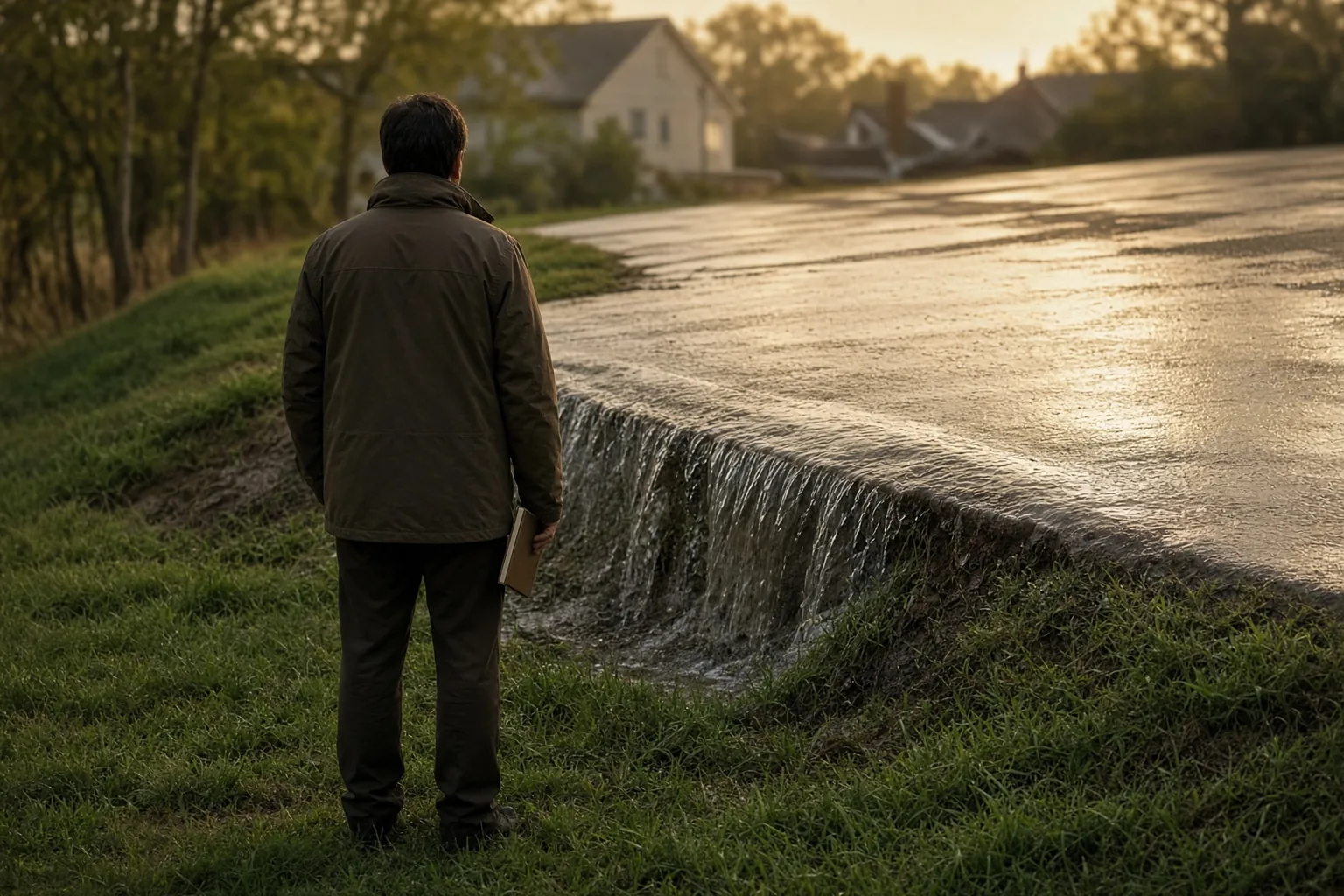
A neighbor's grading or paving sends water onto my property: who is responsible, and how does an expert prove the drainage change?
Whether a neighbor answers for water that runs onto your land depends on the surface water rule of the state. California asks whether each owner Sergei Voronin
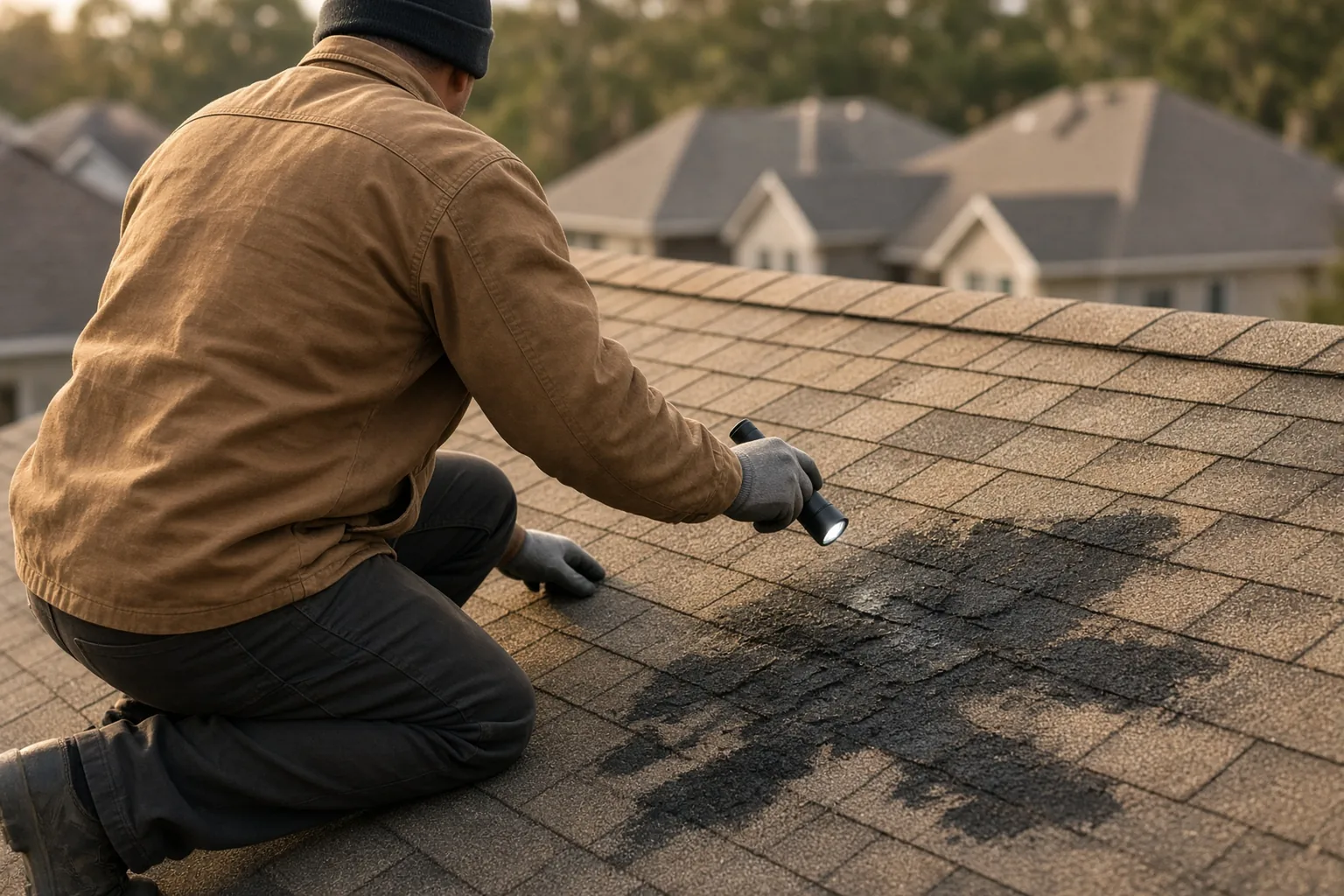
Roof leaking after a roof replacement: how does an expert prove that the roofer's work caused it?
A roof that leaks a few weeks after it was replaced does not prove by itself that the roofer did bad work. The owner has to show where the waterSergei Voronin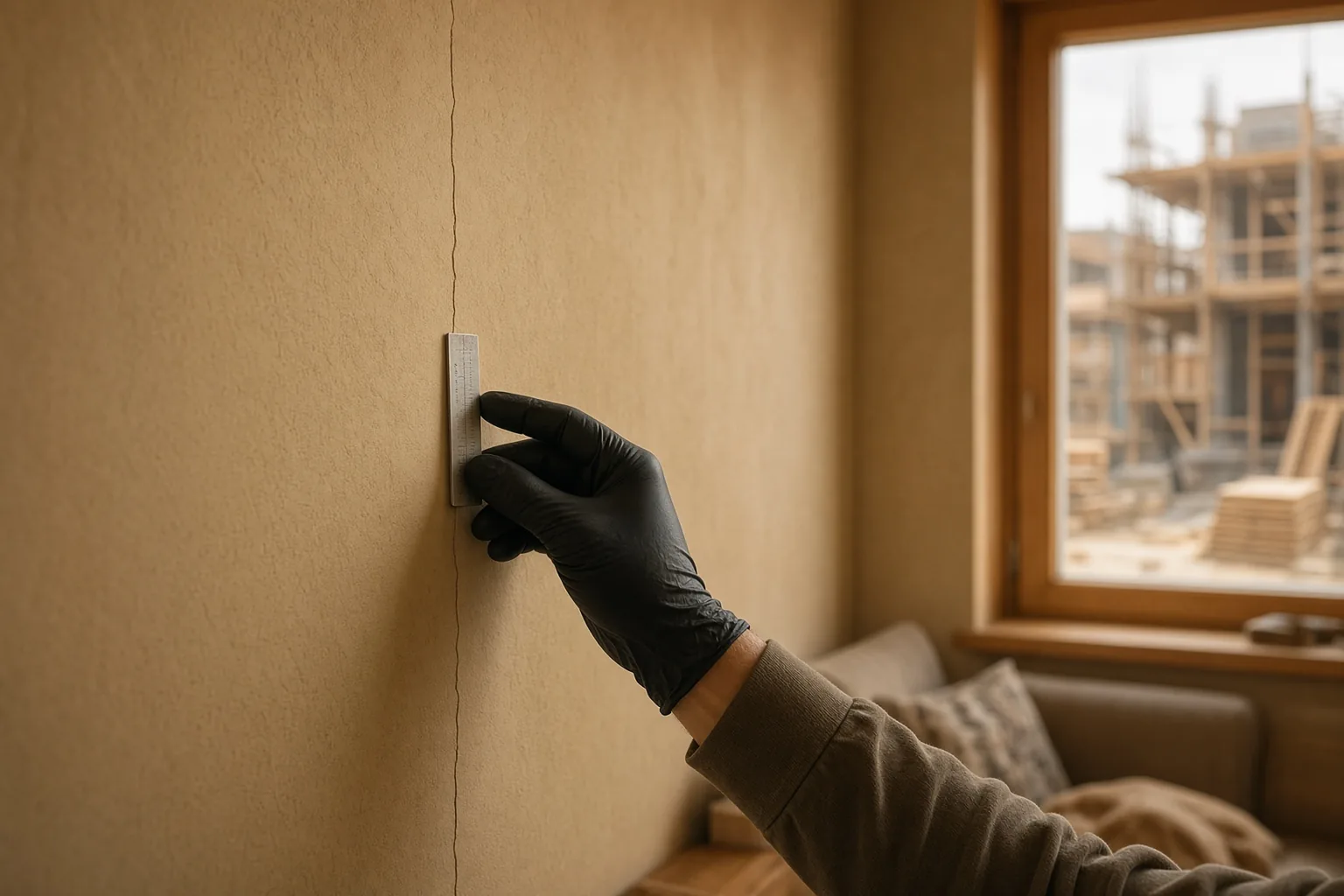
Construction next door damaged my house: how does an expert tie the cracks to the neighboring work?
When excavation, pile driving or underpinning next door is followed by new cracks, tilting floors or sticking doors, the owner has to prove thatSergei VoroninExpert examinations
Ready to discuss your case?
Send the materials: the secretariat will confirm the format, cost, deadline and the specialist within one business day.
