



Signatures and entries
Under ANSI/ASB Standard 070 (2022) the examiner checks whether questioned and known writing are originals and comparable, then weighs similarities and differences together.
 ASB 070
 Comparison
Expert examinations · Handwriting
Whether the person named on a will, contract or check signed it, and whether the signature shows signs of simulation or tracing. For federal and state cases the examiner prepares a report on your questions or a review of the opposing handwriting examiner's report. The document is issued in up to 5 business days after the format and cost are confirmed.

business days, rush 48 hours
We frame the questions around the questioned signature or entry and the known writing you have.
Under ANSI/ASB Standard 070 (2022) the examiner checks whether questioned and known writing are originals and comparable, then weighs similarities and differences together.
ASB 070Comparison
Standard 070 (6.3.8) has the examiner look for slow writing, guide lines and unnatural similarity between questioned signatures. Slow writing shows as pen lifts, stops and hesitations.
Simulation Tracing

Rule 901(b)(3) allows comparison with an authenticated specimen by an expert or the trier of fact. A lay witness may identify handwriting only from familiarity gained outside the case.
 Rule 901
 Specimens

702rule of evidence
Since December 1, 2023, the proponent must show the court it is more likely than not that the handwriting opinion rests on sufficient facts or data and a reliable method reliably applied.

26(a)(2)(B)expert report
Opinions with their basis and reasons, facts or data considered, exhibits, qualifications with publications from the previous 10 years, testimony from the previous 4 years, compensation.

ANSI/ASB 070field standard
The examiner checks whether writing is original and comparable, weighs similarities and dissimilarities together, considers alternative interpretations and bases no conclusion on one feature alone.

26(b)(4)(C)attorney communications
Attorney-expert communications are protected, except those on compensation, facts or data the attorney provided and the expert considered, and assumptions the attorney provided and the expert relied on.
We confirm the questions with you before work starts.
How do I order?
Deadlines are confirmed at order and depend on the volume of materials. For cases with tight deadlines there is a 48‑hour rush.
Step 1
Send the report or the case materials and describe the task: what to check or examine. The secretariat confirms receipt the same day.
Step 2
IAE confirms the format, cost, deadline and the specialist from the registry within one business day. You approve the candidate and the CV before work starts.
Step 3
The specialist prepares the document; the draft is checked for facts. The signed PDF is issued in up to 5 business days; the expert is verified in the registry by QR code.
Exclusion of handwriting opinions, known writing, review of the opposing report.
Yes. In Almeciga v. Center for Investigative Reporting (S.D.N.Y. 2016), Judge Jed S. Rakoff excluded an examiner's opinion that the signature on a release was forged. He found no studies testing examiners' authorship techniques, an error rate too high for the task and a subjective method, and noted that plaintiff's counsel had told the examiner the release was forged.
Original known writing of the same type and from about the same period as the questioned item. Standard 070 notes that a lack of contemporaneous writing can hamper the assessment of dissimilarities and that specimens collected only by a stakeholder may not show the writer's full range of variation. Under 28 U.S.C. § 1731, admitted or proved handwriting is admissible for comparison.
Whether the report states each opinion with its basis and the facts or data considered, as Rule 26(a)(2)(B) requires, and whether the examiner followed Standard 070 on originals, comparability, distortion and alternative explanations. Absent a stipulation or court order, a rebuttal report is due within 30 days after the other side's disclosure under Rule 26(a)(2)(D)(ii).
No. A review, an examination and a specialist opinion are independent expert opinions. IAE is not a law firm and does not advise on case strategy; legal questions are for your attorney.
Members of the public IAE registry with the relevant specialization: professors, doctors of science, holders of international certifications. The candidate and the CV are agreed with you before work starts.
Enter the Member ID from the document on the status check page or scan the QR code: the category, specialization, attestation date and record status open.
Request
Expert reportRebuttal reviewNot sure
Hello, I am Sergei Tkach, Executive Director of IAE. Describe the case and the questions for the expert: within one business day we will reply with the right document, an available expert, the time frame and the fee.
Choose the type to see the questions an expert answers and the rules a court applies.

Engineers trace water intrusion, document defective work and code issues and price the repair scope.
LeaksRepair cost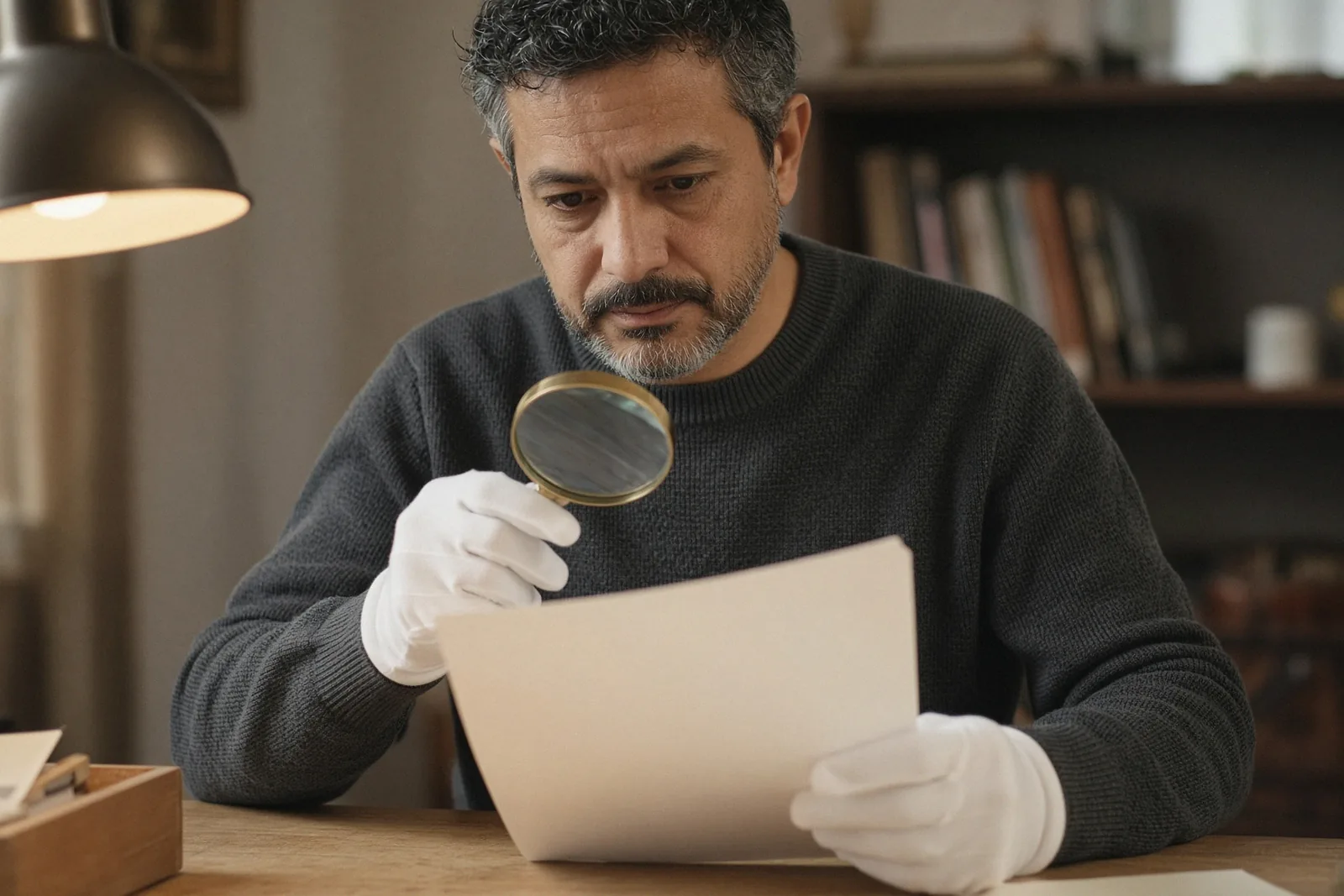
Examiners check documents for alterations, substituted pages and stamp forgery and classify how they were printed.
AlterationsStamps
Physicians in the defendant's specialty review the chart for the standard of care and causation.
MalpracticeCausation
Psychologists evaluate child custody questions, decision-making capacity and emotional distress claims.
CustodyCapacity
Engineers reconstruct the crash from scene marks and event data recorder downloads and check the damage on each vehicle.
Crash dataDamage
Linguists analyze disputed statements, contract wording, trademark similarity and the authorship of anonymous texts.
DefamationAuthorship
Land surveyors retrace deed lines, map overlaps, gaps and encroachments and check the opposing survey.
BoundariesEncroachments
Examiners compare tire tracks, shoe prints and toolmarks on locks and seals with the items that may have made them.
ImpressionsToolmarks
Experts test goods for defects, tell a manufacturing flaw from misuse and value the goods as delivered and as warranted.
DefectsWarranty
Accountants compute damages, test solvency on transfer dates and trace funds through ledgers and bank records.
DamagesSolvency
Appraisers value real property, businesses and ownership interests and review the opposing side's appraisal.
Real propertyBusiness value
Fire investigators locate the origin, identify the ignition source and first fuel and review the opposing report.
OriginCause
Examiners analyze chat messages, electronic documents, file metadata, software and data from phones and computers.
MessagesMetadata
Examiners check recordings for edits, compare voices with known samples and prepare transcripts of disputed conversations.
AuthenticityVoice
Technical experts compare products with patent claims, assess validity over prior art and analyze trademark confusion.
InfringementValidity
 Sergei Voronin
 Sergei Voronin
 Sergei Voronin


